Baking Soda Gender Test: How It's Done and Why It Fizzes
Written by Sukie Chinese | Last Updated: November 6, 2026 | Last Reviewed: November 6, 2026
The baking soda gender test mixes a little urine with baking soda: in the usual version, fizzing means a boy and a flat cup means a girl. The fizz is real chemistry, but it comes from how acidic the urine is, which food and some medicines change. Nobody has published a study of it, and nothing about it reads the baby's chromosomes.
That is the short answer. The longer one is more interesting than it sounds, because the test is a nice little chemistry lesson hiding inside a pregnancy tale, and once you see what drives the fizz you can predict your own result before you pour.
How People Do It
Instructions passed around online and between friends are fairly consistent. This is the folk method as it is usually described, set out so you know what people mean by it, not a procedure we vouch for.
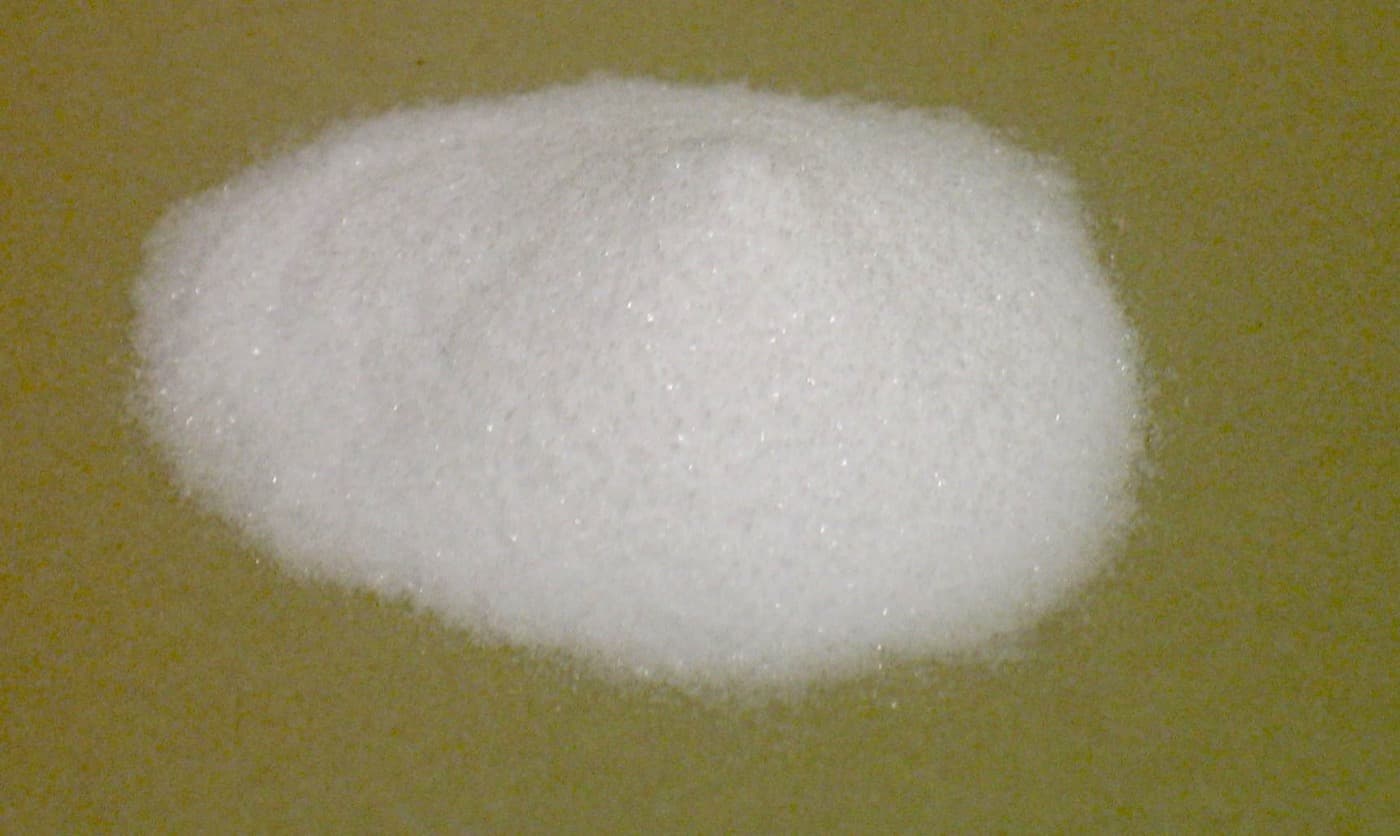
- People put a spoonful or two of baking soda in a clean, disposable cup; versions differ on the amount. Most versions use ordinary household baking soda (sodium bicarbonate), not baking powder, which already contains its own acid and will fizz on contact with water.
- A small amount of urine is collected in a second disposable cup. Many versions insist on the first urine of the morning; the reasoning is never given.
- The urine is poured slowly onto the baking soda and watched for a few seconds.
- The result is read: bubbling or fizzing is called a boy; a flat mixture with no reaction is called a girl. Some families tell it the other way round.
- Both cups go in the bin and hands get a good wash with soap and water.
The fact that the meaning flips between families is the first clue. A test that genuinely detected something would not have its answer key decided by whoever told you about it.
The Chemistry in Two Sentences
Baking soda is sodium bicarbonate, and when it meets an acid it reacts and releases carbon dioxide gas. That gas is the fizz, the same reaction that makes a cake rise when baking soda meets buttermilk or lemon juice.
So the only question the cup is really asking is: how much acid is in this urine right now? Urine varies quite a lot on that measure. According to MedlinePlus, the U.S. National Library of Medicine's health reference, normal urine pH ranges from 4.6 to 8.0. On the pH scale lower numbers are more acidic, so that range runs from clearly acidic to slightly alkaline, all within normal. A sample near the acidic end has plenty to react with; a sample near the other end has much less.
What Moves Your Result
If the fizz depends on acidity, then anything that changes urine acidity changes the “prediction”. MedlinePlus names two everyday influences.
What you have been eating. A diet high in fruits, vegetables or non-cheese dairy products can raise urine pH, making it less acidic. A diet high in fish, meat products or cheese can lower it, making it more acidic. In folk terms, a steak dinner nudges you towards “boy” and a big salad towards “girl”, in the usual version, at least.
Some medicines. MedlinePlus lists several medicines that can change urine pH, including sodium bicarbonate itself, potassium citrate and some diuretics. That is a reason the result says nothing about the baby, not a reason to change anything you take. Never stop or start a medicine without talking to your provider.
There is also the setup. How much baking soda you use, how much urine you pour, how fast you pour it and how long you watch will all change what you see, and none of those are standardised. Two people doing the “same” test on the same sample could easily disagree about whether that was a fizz.
Put together, the result is a snapshot of yesterday's meals and today's technique. That is why the test can give different answers on different mornings in the same pregnancy, which you can check for yourself by trying it twice.
Reading a Borderline Cup
Real cups are rarely a clean yes or no. Often you get a few small bubbles along the edge, a brief hiss that stops, or a slow trickle of foam after a minute. The folklore has no rule for these, so people decide for themselves, and that is where hopes quietly creep in. Someone hoping for a girl tends to call a few bubbles “basically flat”; someone hoping for a boy calls them “a fizz”.
The chemistry says these in-between results are exactly what to expect. A sample in the middle of the normal pH range has some acid to react with, but not much, so it produces a little gas rather than a lot. There is no threshold where the meaning flips; there is just more or less acid. If you want your result to count for anything in a family guessing game, agree on what counts as a fizz before you pour, and have someone else watch the cup.
Its Cousin, the Red Cabbage Test
If you have heard of a red cabbage gender test, it works on the same principle with a colour instead of bubbles. Red cabbage contains an anthocyanin dye that changes colour with pH: red, pink or magenta in acids, purple near neutral, and blue through green to yellow in alkaline solutions, as the Wikipedia entry on red cabbage summarises. School chemistry classes use it as a homemade pH indicator.
So the cabbage test and the baking soda test are really the same measurement, urine acidity, shown in two different ways. If you tried both on the same sample you would expect them to agree with each other, an acidic sample fizzing and turning the cabbage water pinkish. Agreement between the two would feel like confirmation, but it would only mean the urine was acidic that morning. Two readings of one thing are not two pieces of evidence about the baby.
Keep It Clean and Simple
- Use disposable cups you will throw away, never kitchen glasses or bowls.
- Do it at the bathroom sink, not where food is prepared, and wash your hands afterwards.
- Use plain baking soda only. Never mix urine with any other household chemical.
- It is not a pregnancy test and cannot confirm a pregnancy. If you think you may be pregnant, use a pharmacy pregnancy test and speak to your doctor or midwife.
- If anything about your urine worries you, such as pain, blood or a very dark colour, that is a question for your provider, not for the cup.
Has Anyone Tested It?
Not that we can find. On October 26, 2026 we searched PubMed, the U.S. National Library of Medicine's index of medical research, for studies of baking soda and fetal sex. The only result was a paper about calving seasons in beef cattle. We found no study of the baking soda test as a way to predict a baby's sex.
Absence of a study does not prove a test fails, but here we do not need one to know what to expect. The reaction is well understood, it responds to acidity, and acidity is driven by things that have nothing to do with whether the baby carries an X or a Y chromosome. A baby's sex is set at fertilization by the sperm, as the National Human Genome Research Institute explains: the X and Y chromosomes in combination determine sex.
The researchers who have tested folk methods, like the Johns Hopkins team behind the “basketballs” study of belly shape, found them no better than chance. We cover those tested tales on our old wives tales gender page.
What a Fair Comparison Would Show
Families who enjoy the test sometimes turn it into a small experiment, and it makes a better story for the baby shower than the result alone.
The logic is simple. If the fizz really depended on the baby, then urine from someone who is not pregnant would never fizz, and the result would stay the same every morning of your pregnancy. If the fizz depends on acidity, then a partner's sample can fizz too, and your own result can change after a different dinner.
- The test repeated on two mornings, after very different evening meals.
- A willing partner doing the same test with their own sample, in their own cups.
- Every result written down with the date and the previous evening's meal.
If the answer moves around, or the partner's cup fizzes too, that is the whole lesson in one afternoon: a real reaction, measuring a real thing, which happens not to be the baby.
Where It Sits Among the Folk Tests
The baking soda test belongs to a family of home tests that feel scientific because they involve a visible reaction. Compare it with the Chinese gender calendar, the tradition this site is built around: the calendar uses the mother's lunar age and the lunar month of conception, looked up on a traditional grid. It makes no claim to chemistry at all, and it is the one folk method that has been tested on millions of births (Villamor et al., 2010). It came out at chance too, which we are upfront about.
If you want to collect predictions for a guessing game, you can try the Chinese gender calendar calculator for free in a minute, and add the baking soda result alongside it. Our gender prediction methods overview lines up every common method, folk and medical, so you can see where each one stands.
For an actual answer, the sex is read by medical tests. A blood test such as NIPT looks at DNA from the placenta in the mother's blood, and ACOG says cell-free DNA testing can be done starting at 10 weeks; the anatomy scan comes later in the second trimester. Whether to have a test is a decision for you and your provider.
Three Quick Answers
Is the baking soda gender test accurate?
No study has tested it; we searched PubMed on October 26, 2026 and found none. The fizz depends on how acidic the urine is, which diet and some medicines change, so there is no reason to expect it to track the baby’s sex.
What does it mean if the baking soda fizzes?
In the most common version, fizzing means a boy and no fizz means a girl, though some families swap them. Chemically, fizzing means the urine was acidic enough to react with the baking soda and release carbon dioxide.
Can the baking soda test tell if I am pregnant?
No. It is not a pregnancy test and cannot detect pregnancy. Use a pregnancy test from a pharmacy and speak to your doctor or midwife.
More Ways People Guess Boy or Girl
Every method below is checked against the research on our gender prediction methods overview, and the original folk method is the Chinese gender calendar.